Category: Expand Business

The War for Talent: Financing Your Way to a Top-Tier Team

The Key to Scaling Your Business

Reid Hoffman, Co-Founder of LinkedIn, said, “No matter how brilliant your mind or strategy is, if you’re playing a solo game, you’ll always lose out to a team.”

We often cite visionary leaders, crackerjack strategies, and disruptive technologies as the catalysts for stratospheric business breakouts. Still, nearly every successful CEO will point at their team. Hoffman is right, though. There’s no such thing as a billion-dollar solopreneurship or even a nine-figure one.

If a business wants to grow, it needs to invest in HR. Beyond the conventional usage of the term “HR” as a compliance enforcer, we’re zeroing in on “human resources” in the truest sense — the flesh-and-blood people that drive expansion.

But people are expensive. Young companies often consider investing in marketing or R&D, but talent is usually the most costly vector of a business that wants to grow.

We have discussed the importance of family offices as an often-overlooked source of capital for growing businesses. Let’s explore the war for talent and how family offices’ financial backing can help win the talent that tips the scales in favor of growth.

The Strategic Importance of HR in Business Scaling 

Many businesses start as solopreneurships or small teams of founders. Everyone wears many hats. They may rely on business-process outsourcing to get them over the early hump of growth, but eventually, every business that wants to grow has to hire.

Why? CEOs can only focus on the high-return tasks of business growth—strategic relationships, PR, process optimization, etc.—if a dedicated team manages the other functions.

Many companies fail at this crucial juncture. They have mastered a process that produces results for their clients or customers, and it’s time to hire. But due to capital constraints, they struggle to achieve the same results at scale that came effortlessly with a smaller team serving a few clients.

It might have all worked fine if they had top talent … but top talent is expensive. That’s the Catch-22 of profitable growth — you need to spend to get the people you need, but you don’t yet have the means to spend without risking bankruptcy. Yes, the investment could produce those returns … but who knows how long it will take to dial that process in. Meanwhile, the corporate credit cards are screaming for mercy, and the founders are losing sleep at night.

A growing company needs to thread the needle—how do you hire like a billion-dollar company when it’s barely a multi-million-dollar company? Companies that can accomplish this will have a crucial competitive advantage.

Diverse Financing Solutions: The Role of Family Offices 

Many business owners think their only viable financing sources are inflexible lenders or demanding private equity investors. The lenders want their timely payments; private equity investors want their fast exit, or else.

Family offices are a little-understood, little-known player in the business financing space that fills a much-needed niche — patient capital.

A quick primer on family offices: A family office is a discrete firm that manages the financial affairs of a single family (or, in other cases, a group of families). The office’s employees provide various services, including allocation of investment capital. 

Families usually need a sufficiently high net worth to cover the costs of a whole office to manage their finances. The benefit is that they don’t have shareholders or a board of directors clamoring for quarterly earnings. They often think generationally in terms of their family’s values and legacy. They can make creative deals with companies they believe in and can afford to wait years, even decades,for an exit.

Leveraging Family Office Investments for Organizational Scaling

Family offices are suitable partners in financing organizational scaling because they are often patient and invest in alignment with their values rather than solely pursuing returns.

Investments in people are always uncertain. Five-year plans can quickly become ten-year plans as you iron out and adapt to the unpredictable. You can address this by paying a premium to entice top talent … but that takes a lot of capital, with results still stubbornly beyond the horizon for years.

Because of their independence and value-driven, generational approach, family offices can offer capital and flexibility — ideal for a company that needs to scale its organization over time. 

Forming Strategic Partnerships with Family Offices 

Strategic partnerships with a few family offices can make all the difference in furnishing a company on the cusp with the capital it needs to break through — whether through HR or any other vector.

The right family office partnership can offer substantial and flexible financial support. They can be a source of equity investments, debt financing, or both, often with terms more adaptable than traditional funding sources.

Of key importance is finding alignment between your company and the family office—finding the family who aligns with your long-term financial goals and your company’s vision, mission, values, and desired impact on the world. Your legacy can become part of theirs, and family offices become uniquely generous under those circumstances.

The Catalytic Role of Capital-Raising Firms 

The challenge, then, is finding the right family office partner. Family offices don’t exactly advertise in the Yellow Pages. In fact, many high-net-worth families don’t want to be that accessible.

Moreover, family offices are as diverse as families themselves. Some may not make private equity or debt investments, while others focus exclusively on the family’s holdings. Even if you get the meeting, it may not be the right fit.

Specialized private equity teams, also known as independent sponsors, serve as valuable catalysts for forming partnerships between capital-hungry companies and the family offices that align with their goals and values. For more information, please refer to our article focusing on these groups.


When it’s time to scale your business, the who is more important than the how. Not just: “How will we scale with a capital provider?” but “Who do we need to scale?” The right talent often makes or breaks as businesses seek to bring their offerings to a larger audience.

Most businesses never get there because they don’t have the capital to attract top talent. They either fumble the ball by being stingy with their HR investments and limping forward with weak talent, or they saddle themselves with debt or equity investment obligations that put them on the razor’s edge of insolvency.

Family offices provide a vital source of patience, flexibility, and values-based capital to fund the talent pool that growing companies need to scale.

If your company is ready to invest in HR and you think family offices may be the right funding source for that ascent, contact Cap Expand Partners. Since the 1970s, we have leveraged our network to support rising stars. Contact us for a free consultation today.
Maximize Your Wealth: Leveraging Alternative Investments through Family Offices

Expert Wealth Management

“What should I invest in now?” It’s the million-dollar question – literally, in many cases. It’s also the question we hear wealthy families and business leaders always ask. This question gains urgency when considering alternative investments, a response to the current global context of geopolitical tensions, soaring interest rates, and rampant inflation.

As an ultra-high-net-worth individual (UHNWI) or a business owner sitting atop trapped capital, financial management may seem like a tightrope walk between two skyscrapers – one of capital preservation, the other of wealth growth. Although traditional financial markets have demonstrated long-term reliability, they might not offer sufficient diversification, especially for multi-generational family wealth. Alternative investments such as private equity, real estate, and private debt provide additional options for achieving these objectives.

High-net-worth families and individuals often collaborate with family offices to obtain the specialized expertise and tailored strategies required to navigate this complex financial environment. For further insights into how family offices contribute value, refer to our preceding article.

Let’s explore some of the alternative asset classes that typically resonate with affluent families looking for direct investments, and how these are being affected by current market conditions.

Navigating the Complex and Rewarding World of Private Equity and Venture Capital

Since the summer of 2022, with the onset of interest rate hikes by central banks, the private equity (PE) and venture capital (VC) sectors have encountered substantial obstacles in investment activities, fundraising, and exit strategies. Buyers and sellers are struggling to agree on asset values, and even when they do, financing remains a hurdle.

Private Equity

Private equity performance

Despite these challenges, PE has consistently outperformed public stock markets, achieving an average annual excess return of 5.3% and a total return of 13.4%, according to Bain & Company. This isn’t luck; it’s skill. Great fund managers have a knack for picking companies with promise, and then rolling up their sleeves to improve operations and streamline finances.

The Family Office Connection

Family offices have recognized the potential in PE, shifting from a predominantly passive role in fund-level investing to a more active stance in direct investments. They have emerged as a crucial source of funding for growing companies.

Investment Approaches

There are two primary pathways to engage in PE and VC: pooled funds or direct investments. Both approaches have distinct advantages, and family offices must judiciously choose between fund managers and target companies.

Crafting a Strategic Approach

Family offices need a clear strategy that not only targets financial returns but also accounts for factors like control, diversification, impact, and education—especially for the next generation, or “NexGen.” They must define their role – whether as hands-on operators, active or passive investors, or asset allocators – which will significantly influence their investment strategy and implementation.

Additionally, family offices should tailor a strategy that leverages their distinct strengths, such as operational or industry expertise, a relevant network, or experience in owning and managing a family business. Honest self-evaluation is key to identifying areas where they can add significant value, particularly when aligning with family-owned businesses seeking investment but cautious of external investors.

Venture Capital: A Petri Dish for Innovation

VC is an essential field for those interested in innovation and disruptive growth. With over 40% of US IPOs being venture-backed, according to the National Venture Capital Association, VC stands out as a critical platform for emerging companies.

Historical Importance and Future Promise

VC has been a rewarding yet demanding playground for investors. The long-term nature of the investment, coupled with high risk and the necessity for extensive networks, makes VC a niche investment choice, not suitable for all strategies.

Role of Family Offices in Venture Capital

Family offices have become increasingly important in the VC ecosystem, providing not just funding but also invaluable expertise and support. They often focus their investments in sectors where they can apply their own experience or foster innovation, offering a unique combination of financial and intellectual resources.

Challenges and Intricacies

The complexities of sourcing deals, performing due diligence, and managing illiquid investments make VC a demanding asset class. Family offices must carefully consider these aspects, ensuring they align with their broader wealth management strategies and determining the extent to which VC fits into their portfolio.

Looking Beyond Financial Returns

While VC is known for offering uncorrelated returns and potentially higher long-term gains, its appeal to many family offices extends beyond mere financial metrics. It provides an opportunity to influence sectors they are passionate about, such as healthcare or climate technology.

Developing a Strategic Framework

No one should enter VC on a whim. Engaging in VC requires a carefully crafted strategy that addresses both financial and non-financial objectives. Given the competitive nature of the VC market, family offices also need to assess their access to high-quality investment opportunities.

The Road Ahead

Presently, family offices are focusing their VC investments on rapidly evolving sectors like medical devices, healthcare, gaming, and climate technology. Those new to VC must be prepared for a steep learning curve, best navigated by cultivating networks and accumulating hands-on experience.

Investing in Private Debt: High Yields in a High-Interest World

In the current climate of economic fluctuation and modest growth, private debt emerges as a highly attractive asset class.

Past and Present: The Appeal of Private Debt

Private debt has demonstrated an impressive average annual return of 8.3% over the past decade, according to Preqin. Its robust performance and resilience amidst market shifts have made it a preferred choice for many investors.

Advantages of Private Debt

For lenders, private debt presents attractive risk-adjusted returns and acts as a buffer against inflation and rising interest rates. Borrowers favor private debt for its expedited process, simplicity, and the potential for fewer lending parties – aspects particularly valuable in today’s unpredictable economic climate.

Emergence of Family Offices in Private Debt

Recently, family offices have begun to tap into the potential of private debt, recognizing its role in providing stability and higher yields in the current high-interest-rate scenario. These offices are increasingly pivotal in offering direct private credit solutions, with greater loan structuring flexibility compared to traditional financial institutions.

Global Expansion of Private Debt

Although the US is a major player in private debt, opportunities are abundant globally. Family offices are expanding their horizons, seeking diversified lending opportunities, especially in Gulf countries.

Future Prospects of Private Debt

Given its attractive features and strong historical performance, private debt is poised to remain a significant asset class. For family offices, it represents a chance to balance risk and return while leveraging their distinct capabilities in loan structuring and capital provision.

Real Assets, Real Opportunities: The Enduring Appeal of Real Estate Investments

The Timeless Attraction of Real Estate in Investment Portfolios

Real estate has long been a staple in diversified investment portfolios, prized for its balance of risk-adjusted returns and potential for capital preservation. This asset class holds a unique allure for family offices, but what factors contribute to its irresistible charm?

Steady Performance: A History of Strong Returns

Data from Benefit Street Partners reveal that private real estate has delivered an impressive average annual return of 8.7% over the last twenty years. This robust performance underscores real estate’s reliability and profitability as an investment choice.

Diverse Investment Spectrum in Real Estate

Real estate investment is not a monolith. It encompasses a dizzying array of segments, from residential and commercial properties to industrial spaces and undeveloped land. Recently, non-traditional sectors like student housing, medical facilities, and assisted living communities have attracted significant attention from family offices.

Why Family Offices Love Bricks and Mortar

Family offices have a diverse approach to real estate, influenced largely by the origins of their wealth and their investment objectives. Some have amassed their fortunes through real estate, naturally gravitating towards further investments in the sector. Others seek real estate for diversification or unique opportunities absent in public markets.

Complexities of Direct Real Estate Investment

Direct investment in real estate is intricate yet potentially lucrative, demanding considerable expertise. Family offices face challenges in identifying investment opportunities, formulating business strategies, arranging financing, and performing due diligence. A critical decision involves choosing between self-managing properties or employing external management.

Real Estate and Social Impact

Increasingly, family offices are considering the social impact of their real estate investments. By funding projects like low-income housing or specialized accommodations, they can make a tangible difference in society.

Measuring Real Estate Investment Success

The measure of a successful real estate investment often boils down to its equity multiple. For those considering direct investments, the key question is: “What would the financial outcome be if the property were sold for the same price at which it was acquired?”

Infrastructure: The Bedrock of Tomorrow

The Essential Role of Infrastructure

In an era marked by rapid technological advancements and economic growth, infrastructure is the cornerstone of modern society. Key sectors such as transportation, energy, utilities, and telecommunications are not just facilitators of societal advancement but also attractive avenues for financial investment, noted for their resilience and low volatility.

Infrastructure: A Market Poised for Expansion

2023 highlights the robustness of the infrastructure sector, even amidst economic fluctuations. According to McKinsey & Company, global infrastructure investments are projected to soar to an astonishing $49 trillion by 2030, indicating significant growth prospects.

Adapting to Global Shifts: Embracing Sustainable Investments

With a global shift towards sustainable energy, infrastructure investments are aligning with this trend. The renewables and natural gas sectors are becoming prime investment targets, especially for family offices.

The Synergy of Family Offices and Infrastructure

Family offices, with their extended investment horizons and adaptable capital structures, are ideally suited for infrastructure investment. These characteristics make them apt investors for projects that might be less appealing to traditional firms due to their scale, complexity, or long-term nature.

The Importance of ESG in Investment Decisions

Family offices are increasingly prioritizing environmental, social, and governance (ESG) considerations in their investments. In infrastructure, this translates to ensuring that projects are sustainable, ethically managed, and beneficial to local communities.

Leading the Way into the Future

The significance of infrastructure as an investment class continues to grow. With their ability to invest over the long term and their focus on ESG factors, family offices are well-positioned to make a profound impact, contributing significantly to the development of foundational projects that will shape future economies and societies.

Cap Expand Partners: Facilitating the Synergy with Family Offices

In the intricate world of alternative investments, navigating the complexities presents a formidable challenge. Cap Expand Partners meets this challenge head-on, fostering strong collaborations with family offices. These partnerships are crucial in uncovering insights and benefits across a diverse array of alternative asset classes.

Expertise and careful judgment are essential to successfully maneuver through this complex environment, characterized by high interest rates and economic uncertainty. In such a fluctuating landscape, there is no replacement for the specialized guidance provided by seasoned financial professionals. They are instrumental in guiding UHNWI and families toward a future marked by financial success.

Cap Expand Partners leverages its expansive network of family offices to assist business leaders in securing the necessary capital to achieve new levels of efficiency, profitability, and market innovation. For those eager to explore the possibilities within alternative investments, we invite you to reach out to us. Your prosperous tomorrow starts with the choices you make today.

IT services M&A picks up in Q3 with deals in Europe

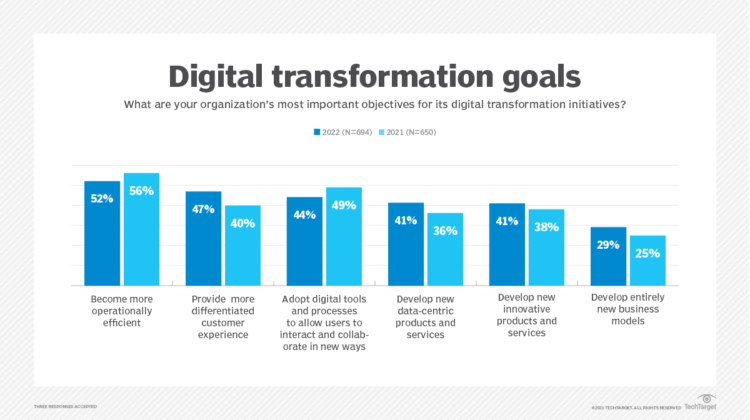
As transaction volume picks up, the EMEA region is getting more attention from IT services investors amid demand for digital transformation consulting.

M&A transactions in the IT services arena are picking up pace, with Europe one area of activity.

An October report from Drake Star, an investment bank, cited more than 305 digital services M&A deals in the third quarter of 2023, compared with 290-plus transactions in Q2. The quarter has “seen significant deal momentum,” according to the company, which pointed to the need for digital transformation and cost efficiency as fueling demand for such companies. Drake Star includes managed IT services and digital transformation service providers in the digital services category.

While economic uncertainty affected IT services M&A earlier this year, the Drake Star report said investor confidence is growing amid stabilizing interest rates.

IT services deals in Europe

European transactions stand out among the current M&A trends. Accenture this week said it inked an agreement to purchase 6point6, a U.K. technology consulting firm with offices in London and Manchester. 6point6, which employs about 400 people, focuses on cloud, data and cybersecurity services.

The transaction volume stems in part from North American service providers looking to acquire companies in Europe. A September report from Cap Expand Partners, a financial consultancy based in Belgium, noted an uptick in intercontinental transactions involving IT consulting companies. While European firms have been expanding into North America, the pattern is stronger still in the opposite direction. North American companies are “aggressively capitalizing on European market opportunities,” according to the report, “Connecting Continents: European and U.S. IT Consultants.”

The slower uptake of digitalization in Europe is one factor driving interest in European services providers.

The divergence in digital adoption levels between Europe and North America is a key factor influencing the interest of IT consultants in European opportunities.

Sergio van Luijk
Managing partner, Cap Expand Partners

“This scenario offers opportunities for digital transformation, making the European market particularly attractive to North American consultants,” he said.

Other considerations include the COVID-19 pandemic, which highlighted the digital adoption gap between U.S. and European businesses, and the opportunity for boosting European firms’ productivity through digital initiatives, van Luijk added.

Syntax’s acquisition plan

Syntax Systems has one intercontinental IT services deal in the works. The Montreal-based technology solutions and services provider plans to acquire Beyond Technologies, a professional services firm with operations in countries including Canada, the U.S., France and Morocco. Syntax announced the pending transaction on Oct. 3.

The EMEA region offers an opening for expansion. “Europe continues to be a market where industry analysts project double-digit IT services growth and there is still significant transformation opportunity, as digital transformation is a virtuous cycle,” said Christian Primeau, global CEO at Syntax.

Syntax previously acquired Freudenberg IT in Germany and Linke in Spain. Primeau said the company’s intent to join forces with Beyond Technologies will provide access to France’s IT services market, noting the need to invest in local expertise and local language resources to serve clients in Europe, the Middle East and Africa.

Customers seeking productivity gains via transformation are turning to IT services firms, which are attracting investors.

More funding for IT services deals

The growth in private equity funds pursuing deals in the IT services market suggests the potential for more transactions globally. In the U.S., 150 private equity groups have become important MSP investors, said Abe Garver, managing director and MSP team leader at Focus Investment Banking, an M&A advisory firm with headquarters in Vienna, Va. Half of that number are looking for their first MSP platform, while the other half have already acquired a platform and are seeking add-on deals, he noted.

The average size of an MSP-seeking private equity fund grew from $500 million in 2020 to $1 billion today, Garver said.

John Moore is a writer for TechTarget Editorial covering the CIO role, economic trends and the IT services industry.

Originally posted on Techtarget.com

The Evolution Of M&A Activity

The Evolution Of M&A Activity

Please submit the form below to download the free pdf

[gravityform id="21" title="false"]

What You Need to Know About Family Offices and Their Investment Strategies

If you’re a business owner or independent sponsor, you may have heard the term “family office” thrown around in financial circles. Family offices are private wealth management firms that cater to the financial needs of one family or a small group of households – they are becoming increasingly popular among wealthy families looking to manage their interests and assets.

One of the key benefits of working with a family office is their ability to provide customized investment strategies such as venture capital investments and financial planning services that are tailored to the unique demands and objectives of their clients. Family offices are renowned to diversify their investment methods and capacity for long-term thinking, which can generate impressive returns over extended periods.

At Cap Expand Partners, we understand the importance of having a strategic partner who can help navigate the complex world of finance and investments. Our team of experts has extensive experience working with family offices and can provide valuable insights into the specific investment approaches that have contributed to their remarkable success. 

In this article, we’ll take a deeper dive into the world of family offices. Explore the investment strategies and investment processes that have made them such an appealing option for raising capital.

Whether you’re just getting started or hoping to grow your company, Cap Expand Partners can help you achieve your objectives through strategic, long-term thinking.

So keep reading to learn more about how family offices can benefit your business.

Family Offices Are Growing in Popularity

Wealthy family members are increasingly using family offices to handle their family’s assets and interests. These private wealth management companies aim to meet the financial requirements of a single-family or a small group of households. 

In order to meet the particular demands and objectives of clients, family offices provide specialized investment strategies and financial planning services. Family offices are well known for their flexible investment methods and capacity for long-term thinking, as well as for their remarkable track records — all qualities which can prove useful to you when looking to grow your business.

Let’s Define Family Offices

What exactly is a family office, and how can it benefit your business? Family offices are either single-family offices or multi-family offices — and the difference between them is right in the name. 

A single-family office or multi-family office is a private wealth management advisory company that works with extremely wealthy people. In a nutshell, a family office investment is a comprehensive solution for managing the financial and investing needs of ultra-high-net-worth individuals and their families.

Unlike a standard wealth management firm, family offices provide a wide range of services beyond just financial planning and investment management for managing family wealth. They can also provide budget planning, insurance, tax advice, family wealth transfer planning, and more. The goal of a family office is to help its clients manage their money on all fronts, providing a holistic approach to wealth management.

For midsize family business owners needing funds to expand their companies, a dedicated family office can be a great source of investment. But what investment strategies do family offices employ to ensure that they truly nurture their clients’ wealth?

4 Investment Strategies Family Offices Swear By

The primary goal of a family office is to bring profit to their clients, and they have developed several investment strategies to achieve this goal.

While some strategies, such as investing in stock markets and real estate, are well-known, family offices have started to shift their focus to other investment approaches that have been proven to be more lucrative in recent years. Let’s explore four investment strategies or investment portfolios that family offices are swearing by in 2023: 

1 . Direct Investing

Also known as private market investing, wealthy families invest directly in businesses or assets rather than going through a private equity fund. With the financial crisis of 2007–2009, several family offices lowered their exposure to conventional investment strategies.

Past tactics involved a significant emphasis on asset allocations to publicly traded instruments such as equities and bonds. By contrast, they are now progressively shifting their focus toward non-listed market investments, where they play a pertinent role in financing private businesses. Most of the investment strategies listed in this article are forms of direct investments, underpinning how this trend is expected to prevail in 2023 and beyond.

2 . Private Equity

Private equity is a key asset class for many family offices as it provides access to a variety of opportunities, from cutting-edge digital start-up businesses to significant corporate transactions backed up by private equity funds.

The vast majority (69%) of family offices believe it’s crucial for diversity to participate in several private equity eras. The diminution of exposure to hedge funds and stocks accounts for a sizeable portion of this reallocation, while real estate and other real assets continue to play a large role in family portfolios.

For all except the biggest family offices, gaining exclusive access to the greatest private equity prospects has remained difficult. Wealth managers can add value by utilizing their connections to ensure clients can benefit from these investment opportunities.

3 . Impact Investing

The increase in ethical and impact investments, which coincides with families’ increasing alignment of their investments with their beliefs, is the second-biggest trend after private equity. The financial industry has advanced significantly.

Investors, including family offices, are increasingly turning to ESG investing and seeking private investment opportunities that align with their values and beliefs. Climate change is a top priority for these investors, who prioritize businesses with positive environmental and social impact.

The largest banks and some of the most significant financial organizations have also all reaffirmed their commitment to pushing the boundaries of innovation and encouraging responsible finance, making impact investing the second-biggest trend after private equity.

As ESG investing continues to grow, investors are actively seeking private investment opportunities that promote ethical and responsible investment practices, with family offices taking a leadership role in shaping the future of sustainable investing and advocating for more impactful and sustainable investment strategies, particularly for the younger generation. 

Their biggest struggle is getting access to rare opportunities that are consistent with their principles and measuring the impact of possible investment opportunities in reality.

4 . Venture Capital

Family offices are increasingly favoring venture investments, as early-stage investments offer the potential to yield higher profits although coupled with higher risk. Startups can benefit from more than just patient seed capital, as family offices frequently add value through their active businesses, network of contacts, and strategic advice.

It’s Time To Grow Your Business

In conclusion, family offices provide a comprehensive solution for managing the financial and investing needs of ultra-high-net-worth individuals and their families. With their expertise in specialized alternative investments, risk management, and financial planning services, family offices can help wealthy clients manage their money on all fronts and achieve their financial goals. 

As a business owner or independent sponsor, you may be interested in attracting funds from family offices as a way to expand your company’s reach and profitability. With direct investing on the rise, family offices may be an attractive source of funding for your business.

Whether you’re seeking to take your company to the next level or raise the profile and profitability of your enterprise, Cap Expand Partners can be your advisor and help you achieve your objectives.

So contact us today to learn more about how we can assist you in realizing your business goals by raising capital from family offices.

Modern Media Hub Takes Huge Leap with Financing Help of Cap Expand Partners

Welcome to the dawn of a new digital success story! Financial advisor Cap Expand Partner have shifted digital agency MMH into high gear through access to capital that will help them achieve their strategic objectives in record time.

(IN BRIEF) Modern Media Hub, a Dutch digital marketing agency, partnered with Cap Expand Partners, a Belgium-based firm, for a successful management buy-out transaction to raise capital and accelerate growth. Cap Expand Partners, known for offering cross-border financial solutions, provided creative financing solutions and connected Modern Media Hub with the right capital provider. Details of the financing party are undisclosed.

(PRESS RELEASE) BRUSSELS, 7-Feb-2023 — /EuropaWire/ — In the fast-paced world of business, companies need a reliable and experienced partner to help them achieve their goals, especially when it comes to finances in a turbulent global economy. Modern Media Hub, a Dutch digital marketing agency, found just that in Cap Expand Partners, a renowned industry leader in providing tailored M&A and financing solutions worldwide. 

Cap Expand Partners was proud to assist Modern Media Hub in raising capital to enable the company to reach its strategic objectives and accelerate growth. The Belgium-based firm is known for offering cross-border financial solutions to business owners, managers, and independent sponsors in funding their strategic growth ambitions.

“We are proud to have been a part of Modern Media Hub’s journey towards success. Their purpose-driven vision, coupled with a dedication to innovation, and unwavering commitment to community, made for a successful partnership.” – Sergio van Luijk, Managing Partner at Cap Expand.

While the financing party and details will remain undisclosed, Modern Media Hub is thrilled to have worked with Cap Expand Partners to successfully execute a management buy-out transaction, empowering its team to take a major leap forward in achieving anticipated business goals. The experts at Cap Expand Partners provided creative financing solutions, connected Modern Media Hub with precisely the type of capital provider they needed, and tied the transaction together seamlessly. 

“Working with the team at Cap Expand Partners to successfully execute our management buy-out transaction allowed us to take a major leap forward in achieving our business goals. They provided creative financing solutions and connected us with precisely the type of capital provider we needed – all leading up to a successful outcome where everyone involved could benefit from the deal.” – Sebastiaan Bergen Henegouwen, co-founder of Modern Media Hub.

To learn more about Cap Expand Partners or Modern Media Hub, please visit: https://cap-expand.be/ or https://modernmediahub.nl/

About Modern Media Hub 

Modern Media Hub is a Dutch digital marketing agency fueled by a team of modern media experts preparing businesses for the digital age. Founded in 2018 by Sebastiaan Bergen Henegouwen and Nick van den Dungen, Modern Media Hub exists to increase the impact of company brands in the field of modern media and enhance the loyalty of their customer base through content creation, creativity, and technology. Generating recurring income streams from subscription-based services such as social media management and high-end web development, Modern Media Hub helps businesses grow exponentially by reaching their target audience with authenticity

About Cap Expand Partners 

Cap Expand Partners specialize in supporting cross-border M&A initiatives with innovative financing solutions. First established in the 1970s, the family business was founded on the belief that mid-sized companies play a vital role in tackling some of the world’s most pressing social and environmental challenges. Under the leadership of Sergio van Luijk, Cap Expand Partners assist companies and independent sponsors through a network of associate partners with cross-border expertise, using modern methodologies more evolved than traditionally used in the industry. 

Website: https://cap-expand.be/ or https://modernmediahub.nl/ 

LinkedIn Sergio: https://www.linkedin.com/in/sergiovanluijk/ 

LinkedIn Modern Media Hub: https://www.linkedin.com/company/modernmediahub/ 

LinkedIn Sebastiaan: https://www.linkedin.com/in/sebastiaanbergenhenegouwen/ 

For more information or press inquiries, please contact: 

Cap Expand Partners: Sergio van Luijk (+3212260113) or info@cap-expand.com

Modern Media Hub: Sebastiaan Bergen Henegouwen (+31702173119) or sebastiaan@mo- dernmediahub.nl

SOURCE: Modern Media Hub and Cap Expand Partners

Posted on 7, February 2023 by EuropaWire PR Editors | This entry was posted in Belgium, Financial, Internet & Online, Investment, Marketing, Media, Netherlands, News and tagged Cap Expand Partners, Digital marketing, digital marketing agency, financing, M&A, Modern Media Hub, Nick van den Dungen, Sebasti- aan Bergen Henegouwen, Sergio van Luijk. Bookmark the permalink.

How Private Markets Help Business Owners Fund Their Growth Ambitions

Alternatives to Traditional Equity Financing When Raising Capital 

While publicly-traded equity makes up the lion’s share in the financial landscape, most mid-sized companies don’t rely on IPOs or other public offerings to raise capital. For decades and beyond, business owners have been taking advantage of private capital sources in order to grow.

If you’re a business owner considering raising funds, private investment can offer a variety of financing solutions for your company. Family offices in particular have become more significant players in this investment field, and form attractive financial partners for many businesses.

With private markets evolving at a rapid pace, let’s take a look at what this means for business owners and how this affects their prospects.

A Brief History of the Private Equity Market

Private investment arguably became all the rage with leveraged buy-out (LBO) transactions in the 1980s. A mainstay of Hollywood thrillers set on Wall Street, an LBO simply meant buying a company with mostly borrowed money — maybe 80-90% bank financing. The goal was to acquire companies at a discount, and flip them for a quick profit fueled by high leverage.

If that sounds unappealing to you as a business owner proud of what you created, we don’t blame you. It rightfully earned a reputation as a predatory practice. It didn’t have to be, but it often was. 

According to Pantheon, the number of private-equity backed companies in the US and Europe has grown by 5% over the past decade, while public ones declined 2%. Fortunately, LBO funds maximizing returns solely through “financial engineering” declined in popularity since then.

LBOs are also still around, but we see more reasonable leverage levels. The focus is not on stripping companies for parts, but on committing for the long haul to add value to the marketplace — in other words, making structural business improvements. 

Globally, unallocated capital (“dry powder”) in private equity has grown nearly 17% annually since 2015, reaching a new record of $1.8 trillion in 2022. That’s a lot of money looking for homes. As a business owner though, adding other sources to your capital raise could open the door to more opportunities faster, with more fulfilling outcomes.

Beyond Private Equity Funding

Sometimes referred to interchangeably as the “alternative” investment space, private investment essentially involves securities or ownership interests which are not publicly traded — an alternative to typical listed stocks and bonds. If it’s on a public exchange, by definition it is not private.

While its total size is hard to ascertain due to the assets being, well, private, Goldman Sachs’ co-president of Asset Management Alternatives Mike Koester estimates that the value of the private market has doubled from $5 trillion to $10 trillion in the last five years — still limited compared to the public equity market cap of $60 trillion with another $60 trillion in public credit, but increasing significantly nonetheless.

The public markets have been a traditional place to invest or grow your business, but this may not be true for all anymore. Private markets offer an opportunity for investors who want to diversify their portfolios or have access into exciting new growth industries. It’s no surprise that they continue to attract capital.

As companies turn away from traditional funding methods and toward private investment, the number of listed companies has been declining. Ironically, more money is being invested into the public markets which are now far less populated than they used to be. This has important implications for the growth profile of public investments.

According to Pantheon, companies that remain on stock markets are typically older and larger with slower growth rates than private companies. They also suggest the potential for increased volatility, making the prospect of going public even less appealing in favor of private funding.

When we look at the entire alternative investment space, private equity dominates by holding roughly two-thirds of the market. This includes LBO funds, venture capital, and growth equity. Behind private equity are real assets. Real estate forms a substantial piece of the pie including its development and / or long-term ownership. Infrastructure (e.g. roads, ports, airports, toll roads, etc.) and natural resources also fall into this category.

The smallest yet fastest growing segment is private credit or debt. This space originally emerged as a new frontier for investors in their search for yield, and has increased tenfold in the past decade. With a value of $1.2 trillion, the private debt market continues its growth in the US and has gained momentum across Europe.

Alternative debt providers have been shown to be more accessible and flexible than traditional banks. Although they typically charge higher interest rates, they can provide financial resources with minimal share dilution and limited valuation discussions. Term loans, business lines of credit and invoice financing are just some examples that alternative debt providers offer businesses. Other financial products have debt obligations combined with equity characteristics such as mezzanine or convertible debt.

Private markets have a proven track record of outperforming their listed counterparts, even when measured on a risk-adjusted basis. Despite economic headwinds and geopolitical uncertainty, this sector continues to grow in business finance.

The Democratization of the Private Markets

The private financial markets used to comprise primarily of institutional investors. Nowadays, you don’t have to be an institution anymore to pursue the outsized gains available in this sector.

Private individuals and investment groups play an increasing role due to easing of regulations which started in Europe, followed by the US, and elsewhere. Analysts estimate that 20-30% of private funds originates from retail investors, compared to 5-10% in the past. According to Koester from Goldman Sachs, going forward this group will overtake institutional investors.

High-net-worth investors could simply be one person (or team) with deep pockets, who has a skill set, network, or significant distribution platform. By contrast, family offices are independent companies that high-net-worth families use to outsource their financial growth.

More than one family may own one family office, but they can’t solicit new investors like a fund can. Because they represent the financial interests of a small and limited number of people, family offices face a lower regulatory burden compared to funds (see our article on the subject for in-depth reading on family offices).

The private space has seen increasing involvement from family offices, an investor class with anywhere from tens of millions to tens of billions of dollars in capital to deploy. According to some estimates, there are ten times as many family offices in the game now compared to ten years ago.

The Benefits of Family Offices for Business Owners

Not only are we seeing the scale tip from public to private financial markets, and institutional to non-institutional investors, but also from traditional investment vehicles to direct investments. For business owners looking to raise capital, these are just some of the dynamics that should be taken into account.

Family offices have many advantages as investment partners for businesses because they don’t have the same exit pressure that fund managers have. They are in a position to be patient and flexible with the ability to offer alternative financing solutions (equity and / or debt).

Family offices increasingly prefer direct investment over placing capital in a private equity fund to avoid paying fees. This also carries potential benefits for business owners, especially those who have shied away from private equity investors, perceiving them as beholden to profit and unsympathetic to the company’s original purpose.

These investor groups tend to be more personally engaged in their investments. They may also be as interested in the value they can add to the company as the impact they can make — not just yield for the sake of yield. High-net-worth families have often built businesses of their own. They may have unique skill sets to contribute to the companies they invest in — the ability to serve as an asset to the company other than just a source of capital.

Likewise, independent sponsors are a natural evolution of the direct investment space. They act like private equity funds, except they source deals before the capital is raised, relying on a network of family offices (and an increasing number of private equity firms) to fund the deal. They provide capital to businesses that might not otherwise be available, and generate value through their involvement and expertise (see our article for a deep dive on independent sponsors).

Key Considerations When Selecting a Financing Partner

As a business owner it may be tempting to accept much-needed capital from whatever available source … but be careful: a misalignment can have disastrous consequences.. The money isn’t enough — the strategic contribution and the intention matters just as much, if not more.

Before you pick your funding source, consider:

  • Where are you in the life cycle? Are you in the ideation phase, launch and traction, scaling and growing, the breakout phase, or the “established” phase? Different funding sources are better for different phases.
  • What’s your endgame? Are you looking for disruptor status and a billion-dollar valuation at exit? Self-sustaining middle-market status? A valuation boost? Different funding sources and structures are better suited for different outcomes as well.
  • How much control are you willing to give up? How much equity are you offering, or do you prefer not to dilute? Different investors and structures leave you, the owner, with more control. Others will allow the investor broad decision-making power, whichisn’t necessarily a bad thing.
  • What’s your time horizon? Are you too young to retire and looking to cash in some of your chips while remaining on board? Do you anticipate a quick boost and cash-out, or does your private investment partner have to sit tight for a three-year plan to play out? Or five years? Or ten years? Different investors have different capacities for patience.

Cap Expand Partners helps match promising companies with the right sources of capital and financing structures. If it’s time for funding and you need guidance, don’t hesitate to reach out to us. You have nothing to lose by having the conversation. Let’s get the ball rolling on the next phase … or your exit strategy.